Meaningful Ways to Support Shelter and Rescue Pets in Your Community
Meaningful Ways to Support Shelter and Rescue Pets in Your Community
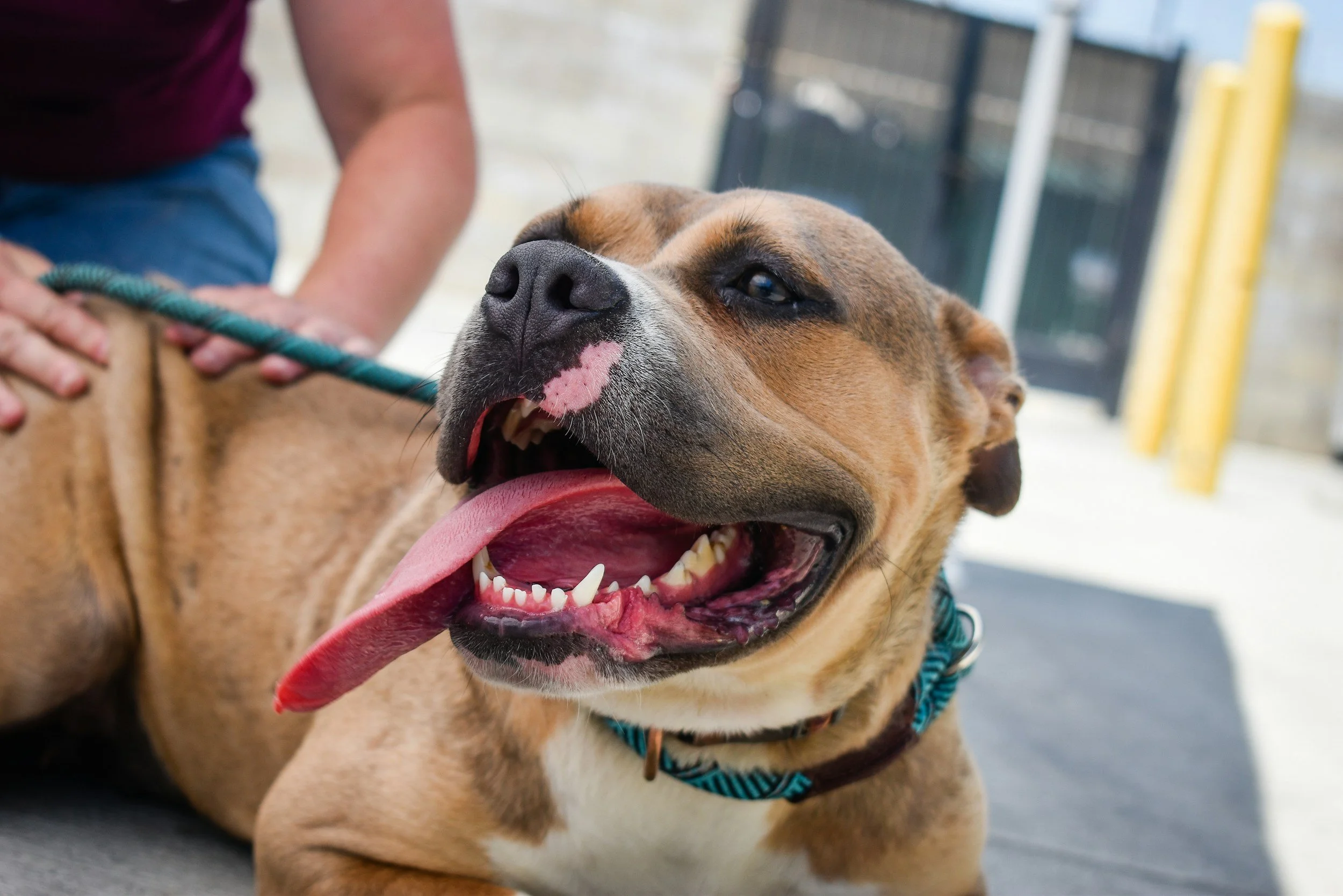
Local animal shelters and rescue organizations care for pets that are lost, surrendered, abandoned, recovering from illness, or simply waiting for a permanent home. Supporting these organizations does not require adopting an animal yourself. People can make a meaningful difference by contributing whatever resource they genuinely have available: time, temporary space, useful skills, money, supplies, or community reach.
The best form of help is usually the one a local organization actually needs. Shelters and rescues operate independently and can have very different programs, policies, volunteer requirements, and resource shortages. That makes asking before acting one of the simplest ways to turn good intentions into useful support.
The Short Version: Start Where You Can Help Most
For someone wondering how to help shelter animals, three options deserve an early look: foster an animal, volunteer for a specific need, or donate according to the organization's current priorities. Foster homes can expand a rescue's capacity while giving animals a quieter environment outside a shelter. Volunteers can contribute everything from animal care to administrative, fundraising, and communications skills. Financial donations give organizations flexibility to address expenses ranging from supplies and housing to outreach and animal care.
Small contributions matter, too. Sharing an adoption post, buying an item from a shelter wishlist, helping at an event, or thanking shelter staff can support the same larger goal: helping more animals receive appropriate care and reach safe homes.
Fostering Turns Spare Space Into Real Capacity
Fostering is unusually powerful because one household can temporarily become an extension of a shelter or rescue.
Fostering can also reveal useful information about an animal's personality and behavior in a home. Foster caregivers may learn whether a dog enjoys car rides, for example, or whether a cat prefers a quiet household. Those observations can help organizations introduce animals to suitable adopters.
Before volunteering your home, ask what the organization provides, how long placements typically last, what happens if an emergency occurs, and what responsibilities the foster caregiver assumes.
Match What You Have With What Shelters Need
If you can give: Temporary space
Consider: Fostering
Why it can help: Expands available care beyond shelter walls
If you can give: A few hours regularly
Consider: Walking, cleaning, events or administrative volunteering
Why it can help: Add dependable operational capacity
If you can give: Professional skills
Consider: Photography, writing, design, bookkeeping or fundraising
Why it can help: Fills specialized needs without adding staff
If you can give: Money
Consider: Direct or recurring donations
Why it can help: Gives organizations flexibility to address priority expenses
If you can give: Useful goods
Consider: Items specifically requested on a wishlist
Why it can help: Directs supplies toward demonstrated needs
If you can give: An online audience
Consider: Sharing adoptable animals and verified shelter campaigns
Why it can help: Extends community awareness
How to Become a More Useful Supporter
Use this quick process before deciding how to contribute:
● Choose a local shelter or rescue whose work you want to support.
● Check its current needs through its website, social channels, wishlist, or volunteer coordinator.
● Match your resources to the need: time, space, skills, supplies, money, or audience.
● Ask about requirements before fostering, volunteering, organizing a collection, or delivering goods.
● Choose something sustainable. A dependable monthly shift or recurring small donation may be more useful than a commitment you cannot maintain.
● Recheck priorities periodically, because intake levels, seasons, emergencies, and available resources can change.
Give Money With a Purpose
Strategic giving starts by understanding the recipient rather than simply choosing an amount.
Direct financial contributions can help shelters cover operating expenses, supplies, training, housing improvements, enrichment, and community programs. If you prefer donating goods, use the organization's current wishlist. Employer matching programs may also increase the value of an eligible financial gift.
There are plenty of creative ways to raise funds without writing a large check yourself:
● Ask friends for shelter donations instead of birthday gifts.
● Organize a community fundraiser or collection.
● Sponsor an adoption or fundraising event.
● Encourage your workplace to support a local organization.
● Set up a recurring contribution that fits your budget.
Good Photos Can Help Animals Get Noticed
Community support also depends on visibility. Volunteers with photography, design, writing, or social media skills can help shelters present adoptable animals clearly and create materials for adoption events, donation campaigns, educational programs, and community outreach.
Creative tools can broaden what a small organization is able to produce. For example, an AI image to image workflow can use an existing reference image together with prompts to guide a new visual treatment or variation. Adobe explains that reference images can guide characteristics such as style and composition while prompts help direct the desired output. Used responsibly, this approach can help create campaign graphics, social posts, or educational materials while preserving the accuracy of essential information about real adoptable animals.
Help Without Handling Animals
Not every useful volunteer job involves a leash or litter box. Depending on the organization, shelters and rescues may need assistance with office work, adoption events, social media, fundraising, photography, transportation, or other specialized tasks.
That creates opportunities for people with allergies, limited mobility, rental restrictions, demanding schedules, or simply different skills. An accountant, photographer, carpenter, copywriter, event organizer, or enthusiastic social-media sharer may have something valuable to contribute.
A Resource Worth Keeping Handy
For additional ideas, Humane World for Animals' guide to helping shelters and rescues offers practical options ranging from fostering and volunteering to wishlists, advocacy, and community outreach. It is particularly useful for people who want to help but cannot currently adopt.
Frequently Asked Questions
Do I need animal-care experience to volunteer?
Not necessarily. Available roles vary by organization, and useful work can include administration, events, fundraising, communications, maintenance, and other tasks in addition to direct animal care. Contact the shelter or rescue to learn its requirements.
Is fostering the same as adopting?
No. Fostering generally means caring for an animal temporarily through a shelter or rescue program while the organization works toward the animal's longer-term placement. Requirements differ between organizations.
Should I donate supplies or money?
Both can help, but ask first. Money offers flexibility, while requested wishlist items can solve specific supply needs. Shelters recommend checking what is currently needed before sending goods.
Can sharing shelter posts really make a difference?
It can extend the reach of adoptable-pet profiles, fundraisers, events, and shelter information to people outside the organization's existing audience. Animal-welfare organizations specifically recommend sharing and engaging with shelter content as one way community members can help.
Every Kind of Help Has a Place
Helping shelter and rescue pets does not require doing everything; it requires finding something useful that you can realistically sustain. Consistent, need-driven support is one of the most practical ways a community can show up for animals waiting for their next home.
Written by Marjorie McMillian
Marjorie McMillian has been studying, practicing, and sharing the concept of whole health and wellness since “before it was cool.” She could not be happier with the strides the health and wellness community has made, including the increased popularity and broadening definition of self-care, the de-emphasis on weight loss and its relationship to overall physical health, and the long-awaited welcoming of spirituality in the world of wellness. While she doesn’t share medical advice on her website, comeongetwell.net, visitors will find reliable resources intended to help guide them on their journey to whole health.
To submit a guest article to our blog, please contact miranda@barkandboarding.com