
How to Design a Stylish Dog-Friendly Home That Lasts
How to Design a Stylish Dog-Friendly Home That Lasts
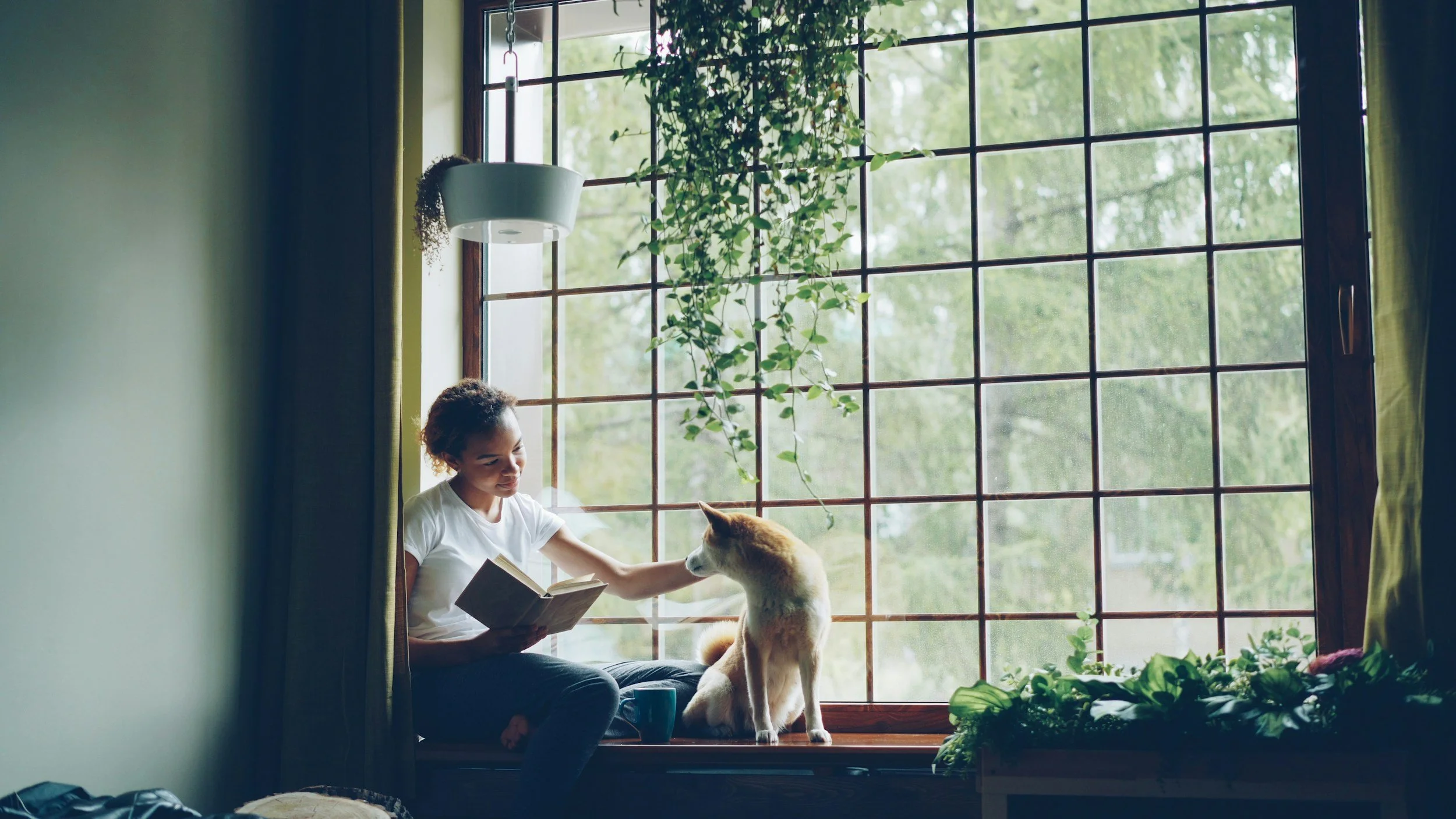
For dog owners who care about both a welcoming space and a well-behaved home, dog-friendly home design can feel like a constant tradeoff. The core tension is simple: home aesthetics versus pet durability, muddy paws, shedding, scratched floors, and chewed corners can make even thoughtful rooms look tired fast. Many people end up choosing between showroom decor that can’t take real life and practical choices that flatten personality.
A smarter approach helps create stylish yet functional interiors by balancing pet needs and decor from the start.
Understanding Integrated Dog-Friendly Design
Dog-friendly design works best as a framework, not a checklist. It means planning integrated pet spaces, like a rinse spot, a sleep zone, or hidden storage, so they feel intentional and match your home’s style. The goal is safety and function without visual clutter, using what pet-safe design calls smart materials, furniture solutions, and layouts that work for both species.
This matters because one-off fixes often look messy and wear out fast. When dog needs are designed in, your home stays calmer, cleaner, and easier to maintain, while still looking pulled together. It also reflects how common pet life is since 66% of U.S. households own a pet.
Think of it like building a kitchen for cooking. You would not hide the sink in a closet, so do not hide your dog’s routine in random corners. A built-in feeding nook and a wipeable entry zone can blend in like any other custom feature. That framework makes it easier to choose scratch-resistant surfaces, built-ins, sturdy furniture, and safer yard boundaries.
Upgrade 7 High-Impact Areas Dogs Stress Most
The most durable dog-friendly homes follow the same principle as integrated design: put strength and easy-clean features exactly where your dog already lives, eats, runs, and rests, so the whole home still feels cohesive.
Start with scratch-resistant flooring in “run lanes”: In entryways, hallways, and the path from door to yard, prioritize scratch-resistant flooring materials like luxury vinyl plank, porcelain/ceramic tile, or sealed concrete. If you love the warmth of wood, use engineered hardwood in low-traffic rooms and add washable runners where nails hit hardest. Finish by adding felt pads to furniture legs so you’re not stacking scratches from both dog and chair movement.
Create a built-in feeding station that contains mess: Carve out a small niche in the kitchen or mudroom with a wipeable wall surface, a waterproof tray or tiled base, and a dedicated bin for kibble and treats. Keeping bowls in one “wet zone” reduces splatter on nearby flooring and stops you from constantly relocating bowls underfoot. If you’re renovating, add an outlet nearby so a water fountain or vacuum can live in the same station.
Upgrade the entry to a clean-up checkpoint: Turn the first 3–6 feet inside the main door into a dirt-control area with a heavy-duty doormat outside, an absorbent mat inside, and a hook/rail for leashes and towels. Store paw wipes and a small brush in a closed cabinet so the setup looks intentional, not cluttered. This one change prevents grit, one of the biggest culprits of floor scratching, from traveling through the house.
Choose durable pet furniture (or protect what you already own): Look for tight-weave, performance fabrics, leather, or slipcovered pieces you can wash, and avoid delicate boucle or loose weaves that snag. A simple strategy is “one upgrade, one protector”: replace the living-room sofa cover with a tailored slipcover, then add a washable throw to the dog’s favorite side. Many 68% of pet owners prefer furniture that complements home décor, so you don’t have to choose between practical and polished.
Build a secure fenced outdoor area with smart gates: A fence is only as safe as its gaps and latches, check for squeeze-through spaces, loose boards, and gate hardware that can be bumped open. For diggers, add buried wire, pavers, or a gravel strip along the fence line to discourage tunneling. If your dog is a jumper, consider a taller fence or inward-angled top extension in the highest-risk sections.
Landscape a pet-safe yard with a designated “dog loop”: Give your dog an intentional route along the perimeter using durable groundcovers, mulch, or decomposed granite, then protect flower beds with low edging. Create one easy-to-rinse potty zone (gravel or mulch works well) so the rest of the yard stays greener. For hot climates, a shallow splash pool can reduce heat stress and keeps playtime from turning into muddy trips indoors.
Lock in the look with a simple maintenance rhythm: Weekly: vacuum high-traffic lanes and wipe feeding-station surfaces so grime doesn’t become “sandpaper” on floors. Monthly: inspect door thresholds, baseboards, and fence lines for wear and fix small issues before they become replacements. Keep paint, a matching floor repair kit, and a few spare tiles/planks on hand so touch-ups are quick, consistent, and budget-friendly.
These upgrades concentrate durability where it matters most, which helps you prioritize spending, estimate realistic repair intervals, and avoid surprise damage costs.
Common dog-friendly design questions, answered
A few practical details make the difference between “cute” and truly lasting.
Q: What are the best scratch-resistant flooring options that balance durability and style for a dog-friendly home?
A: Prioritize luxury vinyl plank, porcelain or ceramic tile, or properly sealed concrete for the rooms your dog uses most. Keep the look elevated with a low-sheen finish and layered, washable rugs for softness. If you want wood, choose engineered planks and commit to regular grit removal so nails are not grinding debris into the surface.
Q: How can I create a built-in feeding station that is both functional for my dog and visually appealing in my kitchen or dining area?
A: Treat it like a mini “waterproof zone” with a wipeable backsplash, a recessed mat or tiled base, and closed storage for food and cleaning supplies. Match the trim and cabinet fronts to your kitchen so it reads like millwork, not a pet add-on. Add task lighting so spills are easy to spot and clean.
Q: What design features help keep outdoor areas safe and secure for dogs while enhancing my property’s curb appeal?
A: Use a solid fence with self-closing gates and tamper-resistant latches, then soften the perimeter with dog-safe planting and tidy edging. A designated potty area and a durable path can reduce muddy tracking while keeping the yard intentional. Strong upkeep matters because nearly 80% of consumers say signs of a pet are fine with no damage to the property.
Q: How do I maintain a warm and inviting atmosphere indoors while choosing materials and furnishings that withstand pet wear and tear?
A: Choose performance fabrics, tight weaves, and finishes that hide minor scuffs, then add warmth with texture through throws and layered lighting. Set a simple “refresh kit” budget line for slipcovers, touch-up paint, and rug cleaning so the space stays welcoming. Routine vacuuming and quick spot-cleaning keep wear from becoming permanent.
Q: What steps can I take to protect my home’s major systems and appliances from potential damage caused by normal wear and tear as I create a pet-friendly environment?
A: Start with a must-fix list: HVAC filter schedule, dryer vent cleaning, and checking appliance hoses and cords in pet-accessible areas. Build a repair buffer into your budget for surprise breakdowns, especially in high-use seasons, and review home warranty coverage options if you want fewer big-ticket shocks. It also helps to know that homeowners with a pet pay an average of $325 for insurance, around 10% higher, so prevention and planning can pay off.
Small choices, repeated consistently, keep your home polished and your dog comfortable.
Done-Right Dog-Friendly Home Checklist
To make it stick: This checklist turns good ideas into decisions you can verify room by room. Use it before buying materials and again after install so your home looks intentional, cleans easily, and holds up to real life.
✔ Choose scratch-resistant floors for high-traffic dog routes
✔ Layer washable rugs with non-slip pads for traction
✔ Specify performance upholstery with tight weaves and removable covers
✔ Create a contained feeding zone with sealed surfaces and hidden storage
✔ Add a drop zone for leashes, towels, and paw-cleaning tools
✔ Secure the yard with self-closing gates and reliable latches
✔ Set a monthly upkeep plan for filters, vents, and quick touch-ups
Check these off once, and your style stays calm under pressure.
Balancing Style and Durability in a Dog-Ready Home
Sharing a home with a dog can feel like choosing between a beautiful space and one that can handle real life. The stronger path is designing with intention: balance warmth with long-term durability, pick materials and layouts that welcome both paws and people, and use a simple checklist mindset to avoid costly do-overs. The payoff is everyday comfort, fewer repairs, and a more harmonious living space that can even enhance property value with pet considerations. A dog-friendly home is simply a well-designed home that plans for wear, mess, and joy. Choose one priority area to tackle this week: floors, fabrics, entryway, or yard, and make one upgrade with confidence. Over time, those steady choices build a home that supports health, connection, and resilience for everyone who lives there.
Written by Marjorie McMillian
Marjorie McMillian has been studying, practicing, and sharing the concept of whole health and wellness since “before it was cool.” She could not be happier with the strides the health and wellness community has made, including the increased popularity and broadening definition of self-care, the de-emphasis on weight loss and its relationship to overall physical health, and the long-awaited welcoming of spirituality in the world of wellness. While she doesn’t share medical advice on her website, comeongetwell.net, visitors will find reliable resources intended to help guide them on their journey to whole health.
To submit a guest article to our blog, please contact miranda@barkandboarding.com